Is It Sciatica? How to Tell the Difference and Why It Matters

Is It Sciatica? How to Tell the Difference and Why It Matters

Share Post:

Is It Sciatica? How to Tell the Difference and Why It Matters

Sciatica is one of the most commonly self-diagnosed conditions we see at Move Easy Osteopathy in Bristol. Patients come to us having Googled their leg pain, concluded it is sciatica, and often having already tried a combination of rest, anti-inflammatories, and stretches they found on YouTube. Sometimes they are right. Often they are not.

The reason this matters is straightforward. Sciatica and the conditions most commonly confused with it have different causes, different treatment approaches, and different timelines for recovery. Treating the wrong thing — or treating the right thing with the wrong approach — wastes time and can allow the real problem to become more entrenched.

Here is how to tell the difference, and what to do about it.

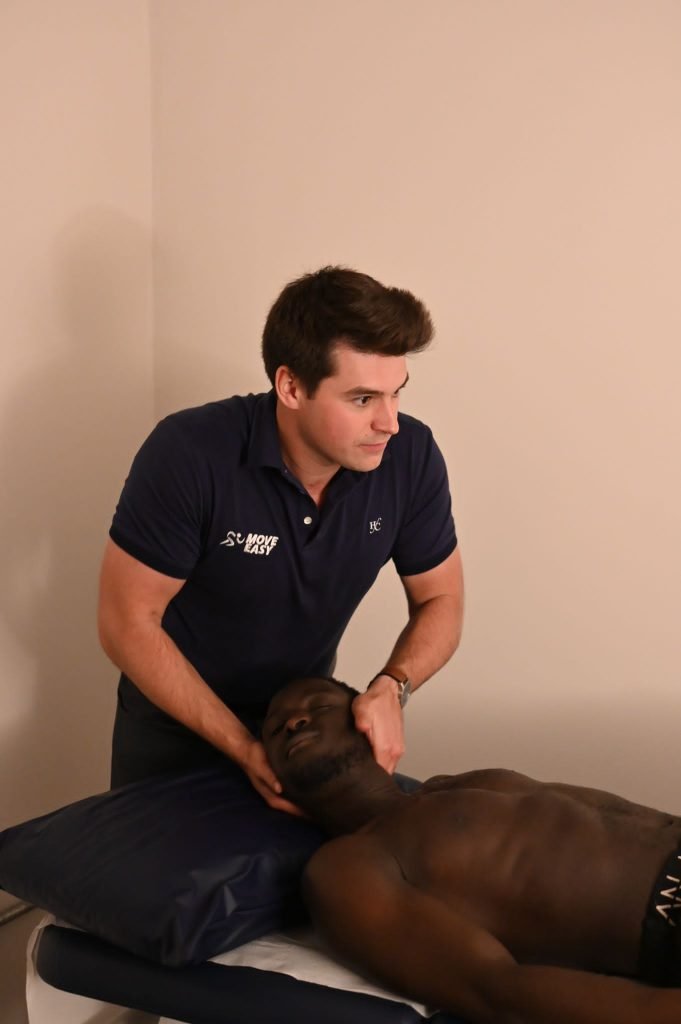
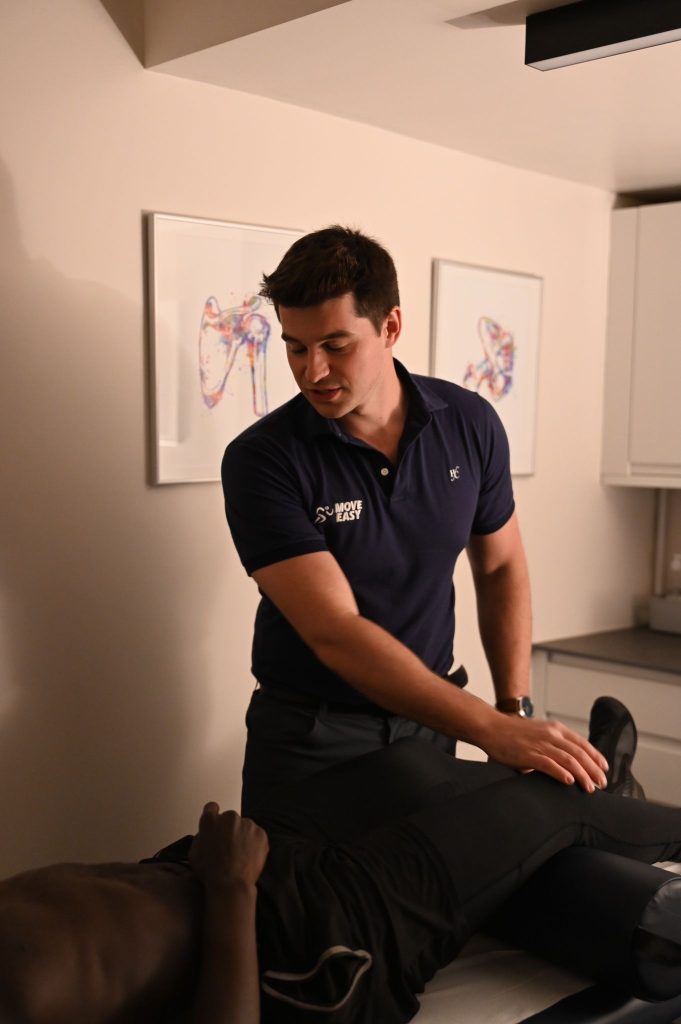
Is it Sciatica? Bristol Osteopaths help with sciatica

WHAT IS SCIATICA?

True sciatica is pain caused by irritation or compression of the sciatic nerve, the longest nerve in the body. It runs from the lower spine, through the buttock, down the back of the leg, and into the foot. When it is compressed or irritated, most commonly by a disc herniation or spinal stenosis, it produces a characteristic pattern of symptoms.

True sciatica typically involves:

Pain that travels from the lower back or buttock down the back of the leg, often as far as the calf or foot. The pain tends to follow a specific path rather than being vague or widespread. A burning, electric, or shooting quality to the pain, often described as feeling like a bolt of electricity down the leg. Tingling, numbness, or pins and needles in the leg or foot, following the same path as the pain. In more severe cases, weakness in the leg or foot, difficulty lifting the foot when walking, or weakness when pushing off. Symptoms that are typically worse with sitting, particularly driving, and may ease with walking or lying down.

If this sounds like your pain, there is a reasonable chance you are dealing with something sciatic in origin. But there are several other conditions that produce similar symptoms and are frequently mistaken for sciatica.

PIRIFORMIS SYNDROME-THE MOST COMMON MIMIC

Piriformis syndrome is an over-diagnosed cause of similar symptoms. The piriformis muscle sits deep in the buttock and the sciatic nerve passes close to it, or in some people directly through it. When the piriformis becomes tight, overloaded, or inflamed, it can compress the sciatic nerve and produce symptoms that are virtually identical to disc-related sciatica.

The key differences are subtle. Piriformis syndrome tends to produce more localised buttock pain, often with a deep aching quality, and the leg symptoms may be less severe and less well defined than true disc-related sciatica. It is particularly common in runners, cyclists, and people who sit for long periods on hard surfaces.

The treatment for piriformis syndrome is quite different to the treatment for disc-related sciatica, which is why getting the diagnosis right matters. But remember, it’s far less common than people think and is very over-diagnosed.

REFERRED PAIN FROM THE SACROILIAC JOINT

The sacroiliac joint, where the pelvis meets the base of the spine, is a very common source of pain that travels into the buttock and upper thigh. This is frequently labelled as sciatica, but sacroiliac joint pain rarely travels below the knee and does not typically produce the neurological symptoms — tingling, numbness, weakness — that characterise true sciatica.

Sacroiliac joint pain is often aggravated by activities that load the joint asymmetrically, such as climbing stairs, walking on uneven ground, or lying on the affected side. It is particularly common in pregnant women and in those with a history of pelvic injury.

Sciatica can be debilitating. Accurate diagnosis is important.

REFERRED PAIN FROM THE LUMBAR FACET JOINTS

The small joints of the lower spine can refer pain into the buttock and upper thigh in a pattern that is sometimes confused with sciatica. Facet joint pain tends to be more localised, does not travel below the knee, and is often worse with extension of the spine (bending backward) rather than flexion.

MERALGIA PARAESTHETICA

This is compression of the lateral femoral cutaneous nerve, which supplies the outer thigh. It causes burning, tingling, and numbness on the outer side of the thigh, not the back of the leg, and is often mistaken for sciatica. It is particularly common in people who wear tight waistbands or belts, those who have gained weight around the abdomen, and pregnant women.

Once you know what it is, it is easy to distinguish from sciatica because the symptoms are in a completely different part of the leg. But if you are not aware of it, it is easy to assume any leg pain is sciatica.

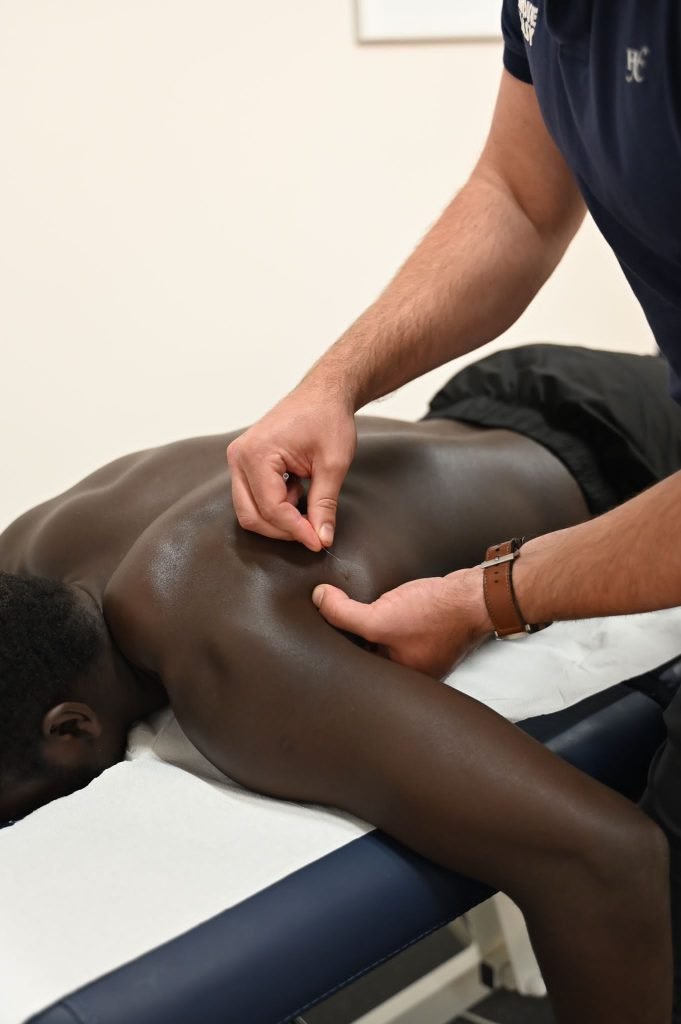
Treatment depends on what is causing your symptoms. Sometimes it isn't even sciatica

HAMSTRING TENDINOPATHY

Pain deep in the buttock, at the point where the hamstring tendons attach to the sitting bone, is very commonly mistaken for sciatica. Hamstring tendinopathy is an overuse condition most often seen in runners and those who do a lot of sitting. The pain is localised to the sitting bone, worsens with running and sitting on hard surfaces, and does not travel down the leg in the way true sciatica does.

WHY DOES IT MATTER?

Because the treatment is different for each of these conditions.

Disc-related sciatica requires specific neural mobilisation techniques, careful loading management, and in some cases imaging to guide treatment. Piriformis syndrome responds to targeted soft tissue work and hip rehabilitation. Sacroiliac joint pain needs joint mobilisation and stabilisation work. Hamstring tendinopathy requires a progressive loading programme. Treating any of these with the approach designed for another is at best ineffective and at worst counterproductive.

This is why an accurate diagnosis from a qualified practitioner is so important, and why Googling your symptoms and self-treating based on a sciatica diagnosis is a gamble that often does not pay off.

WHAT SHOULD YOU DO?

If you have leg pain that you suspect might be sciatica, get it assessed properly. At Move Easy Osteopathy in Bristol, we diagnose and treat all of the conditions described in this post, and we take the time to establish exactly what is going on before we begin treatment.

We use a combination of detailed history taking, physical examination, and neurological testing to differentiate between true sciatica and its most common mimics. In most cases we can reach a clear diagnosis in the first appointment and begin treatment the same day.

We see patients with sciatica and leg pain from across Bristol, including Clifton, Redland, Cotham, Whiteladies Road, Gloucester Road, Westbury Park, Stokes Croft, and the city centre.

Book online at moveeasyosteopathy.com or call us on 07494 971817.

Tips to Move Easy straight into your inbox

No spam, ever.

Stay Connected; Start Movin' Easy

Readers who read this, also read these

Stop Sitting Up Straight

Share Post: If you’re a Bristol based office worker with back pain…Stop Sitting Up Straight… It can Make Your Back Worse Are you a Bristol-based

Osteopathy For Sciatica

Osteopathy For Sciatica is an effective treatment option. Hands-on treatment, lifestyle advice and rehabilitation if brilliant for sciatica.

Add Your Heading Text Here

Dominic Alcock

Hi! My name is Dom, proud founder of both Move Easy sites. I hope I get to meet you at some point to get you back to what you love. Enjoy this blog!

Leave a Reply